
As we move towards more energy-efficient and environmentally friendly solutions, the debate over ‘electric furnace vs oil furnace’ has never been more relevant. Homeowners in Montreal are keen to find effective and sustainable ways to heat their homes. In this article, we’ll explore the features, benefits, and downsides of both heating systems, while showing you how Eco Conversions can help in your energy transition.
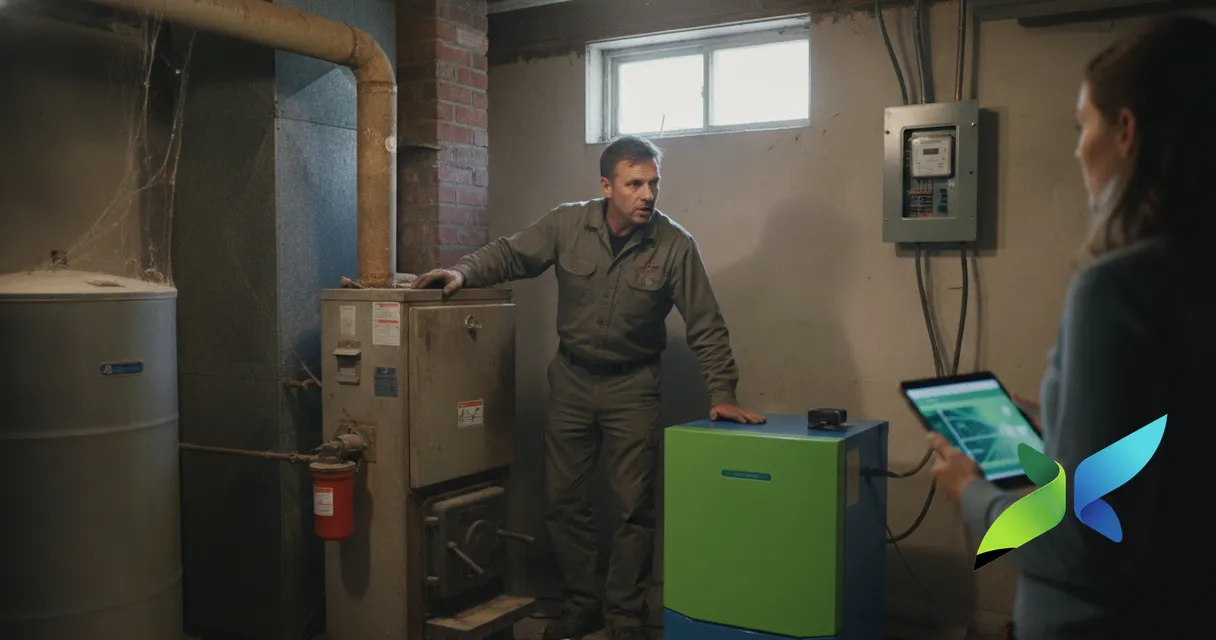
Understanding the Differences: Electric Furnace vs Oil Furnace
Electric and oil furnaces operate on fundamentally different principles. An electric furnace uses resistance elements to heat air, while an oil furnace burns oil to produce heat. This distinction not only impacts their operation but also their environmental and economic effects.
Electric furnaces are renowned for their energy efficiency since nearly all the electricity used is converted into heat. In contrast, oil furnaces tend to have higher heat loss and require a tank for oil storage, posing potential safety and space concerns.
| Features | Electric Furnace | Oil Furnace |
|---|---|---|
| Efficiency | Very High | Medium |
| Installation Cost | Moderate | High |
| Environmental Impact | Low | High |
| Maintenance | Low | High |
Common Mistakes When Choosing a Furnace
Selecting a heating system can be tricky, and there are common pitfalls to avoid:
- Overlooking energy efficiency: Choosing based solely on initial cost without considering long-term efficiency can lead to higher energy bills.
- Ignoring environmental impact: While oil furnaces might seem cheaper upfront, they have a larger carbon footprint due to CO2 emissions.
- Neglecting maintenance costs: Oil furnaces demand frequent maintenance, which can increase operational costs.
For more insights on converting from oil to electric, see our technical guide on oil to electric conversion.
Checklist for a Successful Conversion
Here’s a checklist to help ease your transition to an electric furnace:
Assess Your Needs
Determine the heating capacity required for your home. This depends on your house size, insulation, and climate conditions. An Eco Conversions professional can assist you with this assessment.
Cost Analysis
Compare initial costs with potential long-term savings. Consider not just the purchase price but also energy efficiency and maintenance costs.
Check Eligibility for Grants
Investigate if you qualify for government grants, like the Chauffez vert program, to reduce conversion costs. Eco Conversions provides support in obtaining these grants.
For detailed conversion procedures, read our article on conversion steps and Hydro-Québec subsidies.
FAQ
What is the average cost of converting from oil to electricity?
The cost varies depending on factors such as home size and system type. However, subsidies can significantly reduce these expenses.
How long does an electric furnace last?
Electric furnaces typically last 20 to 30 years, making them a long-term investment compared to oil systems.
Are electric furnaces suitable for cold climates?
Yes, especially with advanced technologies like cold-climate certified heat pumps, which maintain efficiency even at low temperatures.
For more on planning conversion work, check out our conversion planning guide.
Conclusion
Deciding between an electric and oil furnace involves considering environmental impact, energy efficiency, and long-term costs. With 40 years of experience, Eco Conversions is your ideal partner for this energy transition. Contact us at 514 613-8444 for more information and a personalized quote.
Calculate your savings
Curious about how much you could save by switching to electric heating? Our free calculator provides a personalized estimate of your potential savings in just a few clicks.
Try the heating conversion savings calculator
For official information on furnace energy standards, visit the Natural Resources Canada website.
Calculate your savings
Wondering how much you could save by switching to electric heating? Our free calculator gives you a personalized estimate of your potential savings in just a few clicks.