
Removing an oil tank is a vital process for many Montreal homeowners, especially those looking to switch to more sustainable heating systems like electricity. At Eco Conversions, we offer our expertise to guide you through this complex process, ensuring a safe and regulation-compliant removal. Here’s a comprehensive guide to understanding the best practices for oil tank removal and how Eco Conversions can assist you.
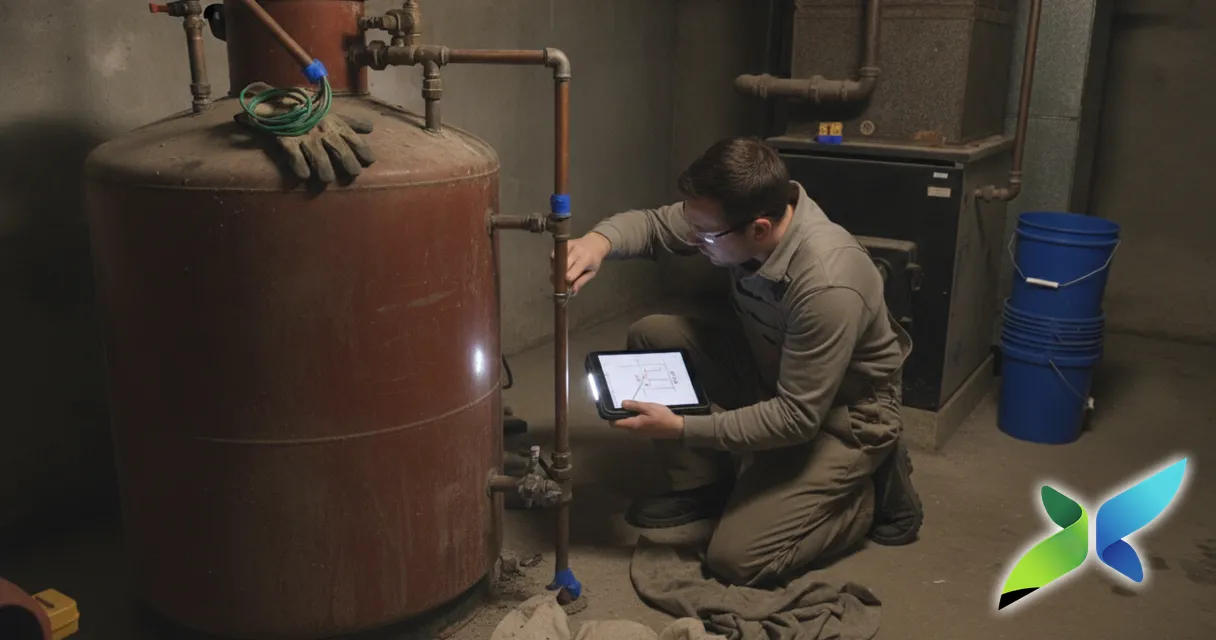
Understanding Eco Conversions’ Oil Tank Removal Process
The removal of oil tanks involves several essential steps to ensure safety and environmental compliance. The process begins with a thorough assessment of the tank’s condition. A meticulous inspection is necessary to identify any potential leaks or corrosion that could complicate the removal. Once this evaluation is complete, a plan is devised to safely empty the tank.
At Eco Conversions, we utilize specialized equipment to pump out any remaining oil and clean the tank before its physical removal. This approach minimizes the risks of environmental contamination. Additionally, we ensure that all waste is disposed of in accordance with the strictest ecological standards.
Common Mistakes in Oil Tank Removal
While removing an oil tank may seem straightforward, it’s easy to make costly mistakes if you’re unprepared. A common error is skipping the preliminary inspection, which can lead to unpleasant surprises like undetected leaks. Moreover, some homeowners attempt to remove the tank themselves without adequate equipment, which can be dangerous and result in fines for non-compliance.
Another mistake is failing to plan the transition to a new heating system. Switching to an electric system can be an excellent option, especially considering the available subsidies for making your home more energy-efficient. At Eco Conversions, we support you at every step, from planning to replacement, to avoid these pitfalls.
Steps for Effective Oil Tank Removal
To ensure an effective and hassle-free oil tank removal, follow these steps:
- Initial Inspection: Conduct a thorough inspection to assess the tank’s condition.
- Empty the Tank: Use professional equipment to pump out remaining oil.
- Cleaning: Ensure the tank is properly cleaned to prevent contamination.
- Physical Removal: Safely dismantle and remove the tank.
- Waste Disposal: Dispose of waste in an eco-friendly manner, adhering to local regulations.
Eco Conversions offers a turnkey service that includes all these steps, ensuring a worry-free process.
FAQ
Is it mandatory to remove an unused oil tank?
Yes, it is often legally required to remove unused oil tanks to prevent potential leaks or contamination.
How long does the removal process take?
The process can vary, but it generally takes between one and three days for a complete and safe removal.
What are the costs associated with oil tank removal?
Costs depend on the tank size and site accessibility. Contact Eco Conversions for a personalized quote.
Are there grants available for oil tank removal?
While most grants focus on new system installations, some assistance may be available for tank removal. Eco Conversions can guide you through the process.
How do I choose a new heating system after removal?
Check out our guide on the best residential electric boilers to find a suitable energy solution.
Conclusion
Removing oil tanks is a crucial step in ensuring the safety and sustainability of your home. By choosing Eco Conversions, you benefit from 40 years of experience and comprehensive service, from the initial inspection to the installation of your new electric heating system. Contact us today at 514 613-8444 to discuss your needs and discover how we can help you transition to more eco-friendly and cost-effective heating.
Calculate your savings
Wondering how much you could save by switching to electric heating? Our free calculator gives you a personalized estimate of your potential savings in just a few clicks.