
As the emphasis on energy efficiency and reducing carbon emissions continues to grow, it’s imperative for residents of Montreal to consider why they should replace their oil boilers this year. With over 40 years of experience, Eco Conversions is here to guide you through this essential process, offering tailored solutions to transition to greener and more efficient heating systems.
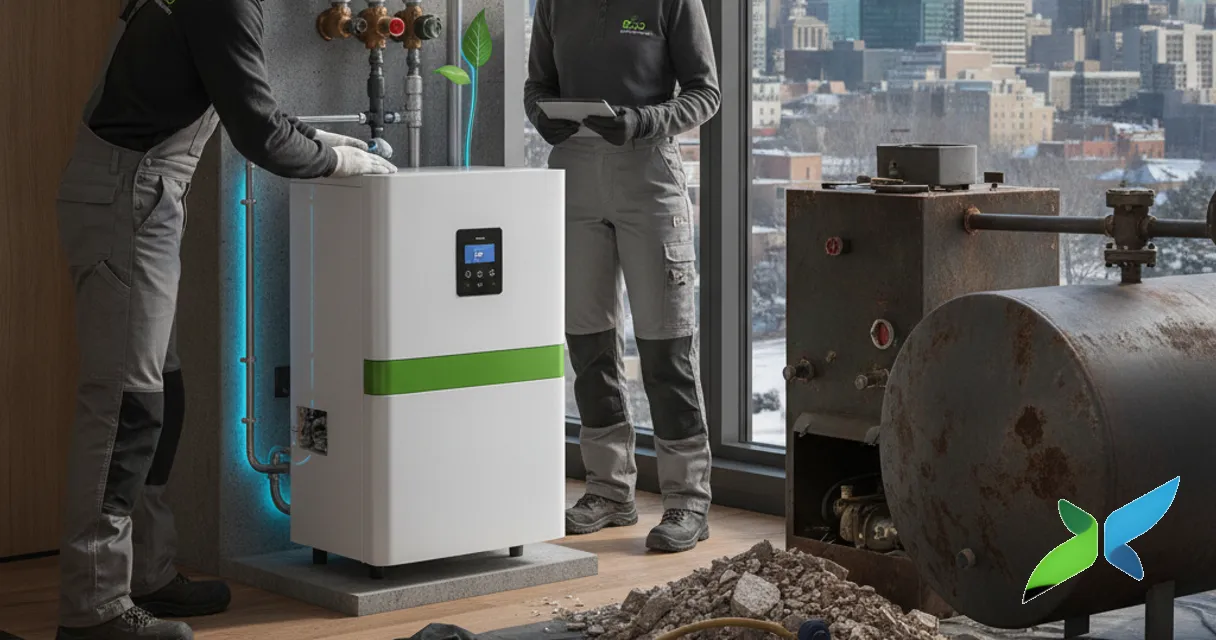
Reasons to Replace Your Oil Boiler
Transitioning to cleaner energy sources isn’t just a trend; it’s a necessity. Oil boilers are becoming increasingly inefficient and expensive to operate. They significantly contribute to air pollution in Montreal, leading to negative impacts on public health. By replacing your outdated boiler, you can not only enhance the efficiency of your heating system but also reduce your energy bills.
Moreover, the Quebec government actively encourages this transition through the Chauffez vert program, which provides grants for converting to electric heating systems, like those offered by Eco Conversions.
Common Mistakes During Conversion
Despite the advantages, many homeowners make mistakes when converting their heating systems. A common error is selecting a system that doesn’t fit the size of their home or their energy needs. Another mistake is not taking advantage of available grants, which can make the process more costly than necessary.
At Eco Conversions, we help you avoid these pitfalls. We assist you in choosing the most suitable system for your situation and guide you through the grant application process. For more information, check out our article on the conversion from an oil boiler to an electric wall-mounted boiler.
Steps to Replace Your Boiler
Initial Assessment
The first step is to evaluate your current system. Eco Conversions offers a free assessment to determine the best type of electric heating system for your home.
System Selection
Next, you’ll need to choose between an electric furnace, an electric boiler, or a heat pump. Each option has its benefits, depending on your budget and energy needs.
Installation
Once the system is chosen, our team of professionals handles the installation, ensuring a smooth transition and minimizing disruptions in your home.
- Energy assessment of your home
- Selection of heating system
- Installation by certified experts
- Post-installation follow-up to ensure satisfaction
For details on the duration of the process, visit our page dedicated to conversion duration.
Why Replace Your Oil Boiler This Year in Montreal?
It’s crucial to consider this change now because government incentives may not be available indefinitely. Additionally, oil heating costs continue to rise, making an investment in an electric system more cost-effective in the long term.
Using electric heating systems like those offered by Eco Conversions helps reduce your carbon footprint, contributing to a more sustainable future. Furthermore, our systems are tailored for cold climates, ensuring optimal performance during Montreal’s harsh winters.
FAQ
What grants are available for conversion?
The Chauffez vert program offers grants to assist in converting to more eco-friendly heating systems. Eco Conversions helps you navigate the grant application process.
How long does the conversion process take?
The full process can vary, but generally, it takes between a week and a month, depending on the complexity of the installation. For more details, visit our page on conversion duration.
What are the benefits of heat pumps?
Heat pumps offer superior energy efficiency and can also be used for air conditioning. They are ideal for cold climates like Montreal.
Conclusion
Replacing your oil boiler is more than just an upgrade; it’s an investment in the future of your home and our planet. With Eco Conversions, choose a cleaner, more efficient heating system today. Contact us at 514 613-8444 or visit ecoconversions.ca to learn more and start your conversion. Don’t wait to take a step towards a more sustainable energy future. For official information on grant programs, visit the Quebec government’s website.
Calculate your savings
Wondering how much you could save by switching to electric heating? Our free calculator gives you a personalized estimate of your potential savings in just a few clicks.